

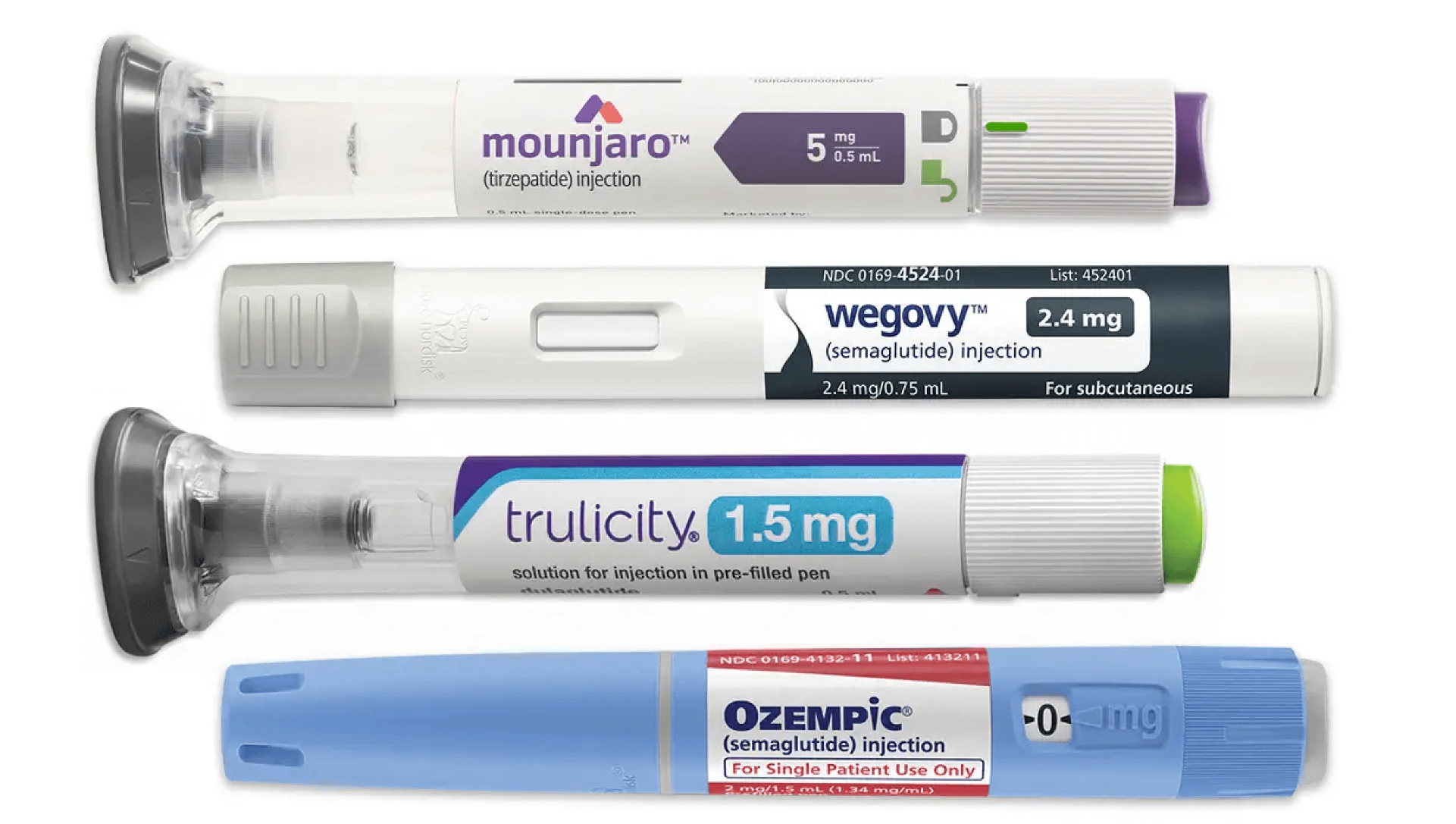
GLP-1 weight loss medications, originally designed for Type 2 diabetes management, have emerged as effective tools for appetite regulation and weight reduction. With options like Semaglutide and Tirzepatide available, these medications offer flexibility in administration. Understanding their benefits, potential side effects, and the importance of lifestyle integration is essential for those considering this weight management approach.
Understanding GLP-1 Weight Loss Medications
GLP-1 agonists are a class of medications initially developed to manage Type 2 diabetes but have gained popularity for their effectiveness in promoting weight loss. These medications mimic the naturally occurring GLP-1 hormone, which plays a crucial role in regulating appetite, slowing digestion, and improving insulin function. As a result, they help individuals feel fuller for longer periods, reducing overall calorie intake (source).
Popular GLP-1 Brands for Weight Loss
The U.S. market offers several GLP-1 medications, including Semaglutide (marketed as Wegovy and Ozempic), Tirzepatide (Zepbound), and Liraglutide (Saxenda). These medications are available in both injectable and oral forms, providing flexibility for patients. Semaglutide, for instance, is available as a weekly injection or a daily oral tablet, while Tirzepatide is administered via injection (source).
Eligibility and Administration
GLP-1 medications are typically prescribed for adults with a Body Mass Index (BMI) of 30 or higher, or a BMI of 27 or higher with weight-related health conditions such as Type 2 diabetes or high blood pressure. These medications are generally administered as once-weekly injections, although some, like Semaglutide, offer a daily oral option. A thorough medical history review is essential to determine eligibility and ensure the safe use of these medications (source).
Potential Benefits and Side Effects
Beyond weight loss, GLP-1 medications may offer additional health benefits, such as lowering blood pressure, improving lipid profiles, and reducing the risk of heart and kidney diseases. However, they are not without side effects. Common side effects include nausea, vomiting, diarrhea, and constipation, particularly when starting the medication or increasing the dose. More severe but rare side effects can include pancreatitis and thyroid cancer (source).
Long-term Use and Considerations
Long-term use of GLP-1 medications is often necessary to maintain weight loss. Discontinuing the medication can lead to significant weight regain, similar to the rebound effect seen with other chronic condition treatments. Therefore, it is crucial to combine these medications with healthy lifestyle changes, such as a balanced diet and regular physical activity, to maximize their effectiveness and sustain weight loss (source).
Why You Should Learn More About GLP-1 Weight Loss Today
GLP-1 medications represent a promising option for individuals struggling with obesity and related health conditions. Their ability to regulate appetite and improve metabolic health makes them a valuable tool in the fight against obesity. However, understanding the potential benefits and risks, as well as the importance of integrating these medications with lifestyle changes, is crucial for achieving long-term success. As research continues to evolve, staying informed about the latest developments in GLP-1 treatments can empower individuals to make informed decisions about their weight management strategies.
